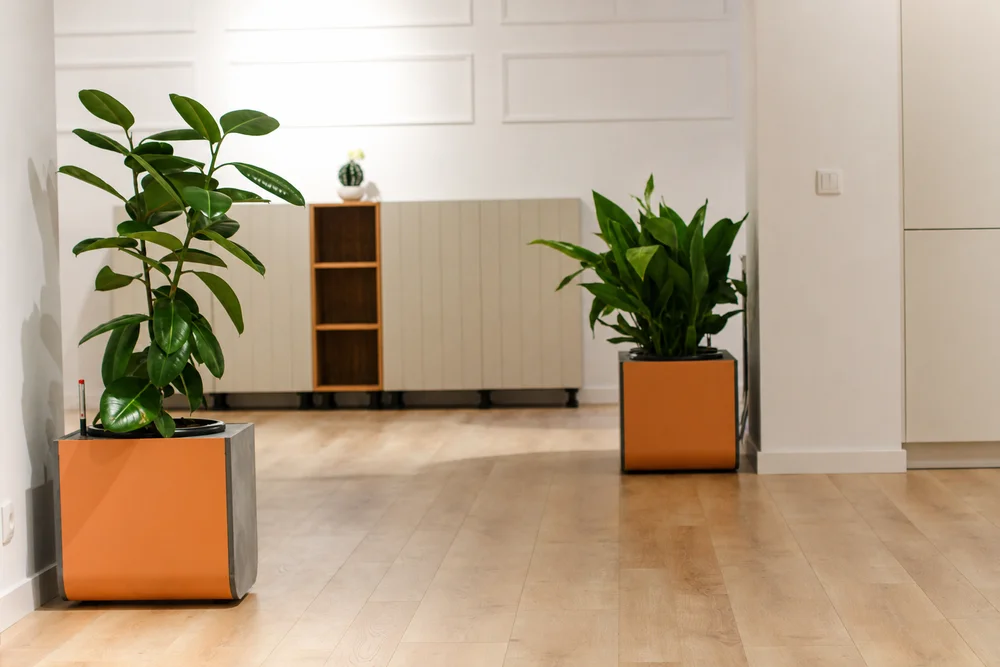
Modular furniture: flexible spaces that evolve
Designing spaces that change: modularity to adapt, extend and transform
Spaces are not static.
An office grows, reorganises its teams or needs new focus areas. A hotel turns a corridor into a meeting place. An interior project may need one layout today and a completely different one in a few years.
So why design furniture as if nothing will ever change?
At CitySens Lab we see modularity as a tool for creating more flexible spaces. We design biophilic systems made of elements that can be combined, extended and adapted to each project’s needs.
It is not just about choosing a planter.
It is about designing a system that can evolve with the space.
Adapting to the space, not the other way round
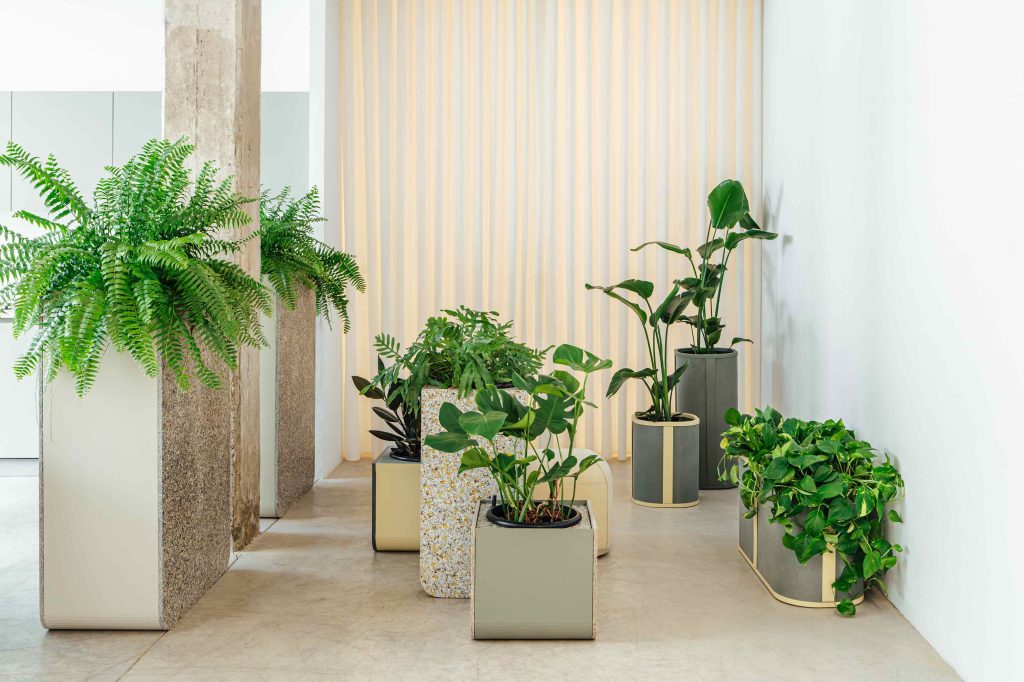
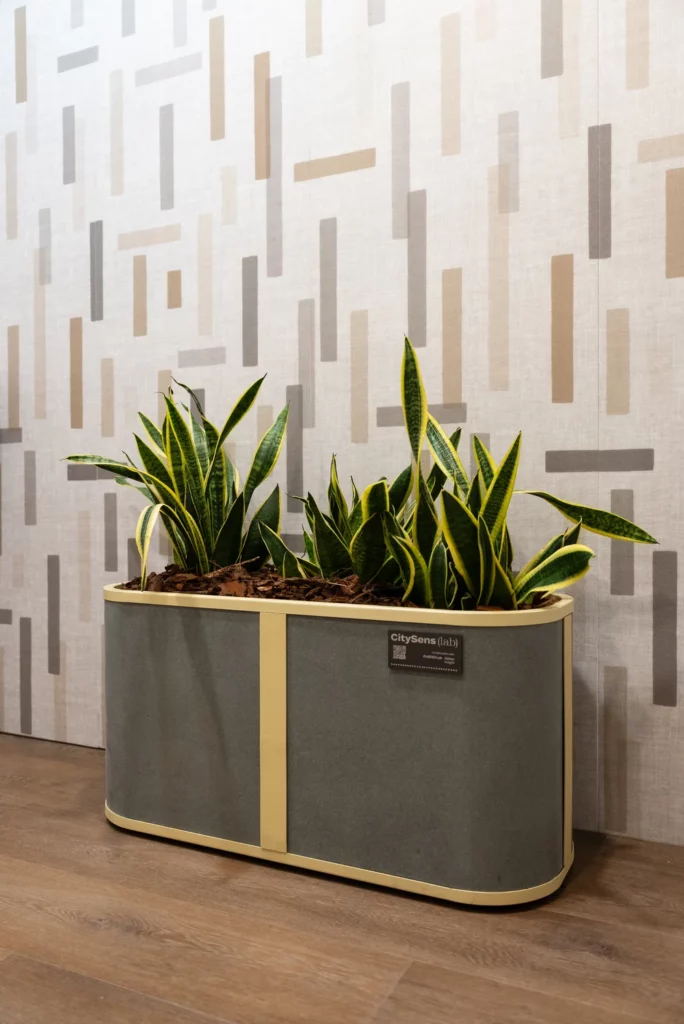
Every project has different proportions, layouts and needs. That is why we work with systems made up of different formats that can be combined into compositions tailored to each project.
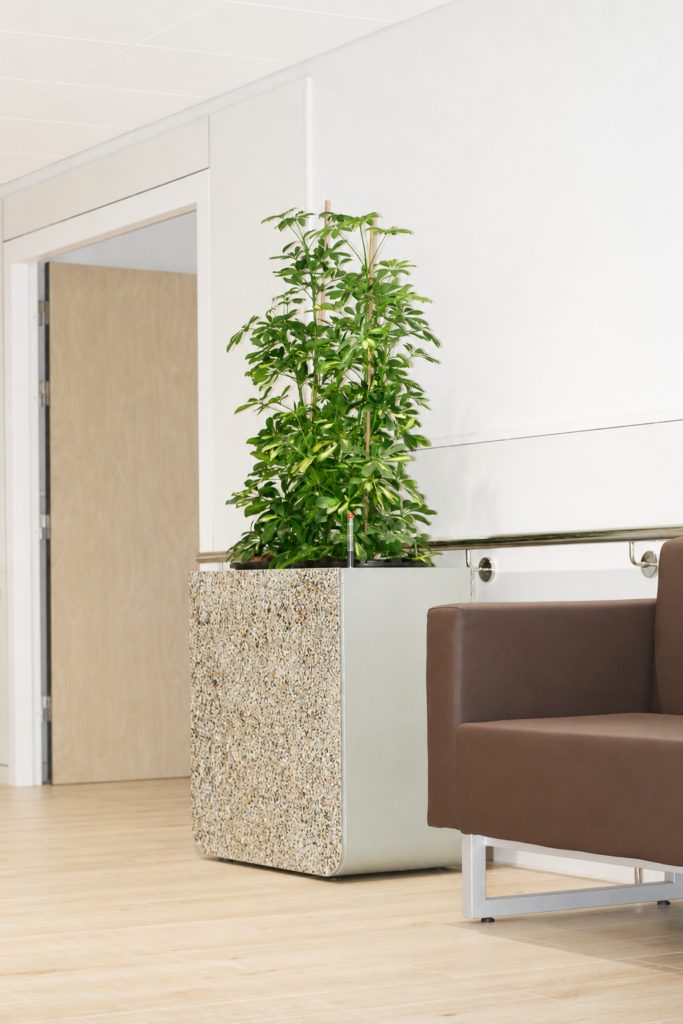
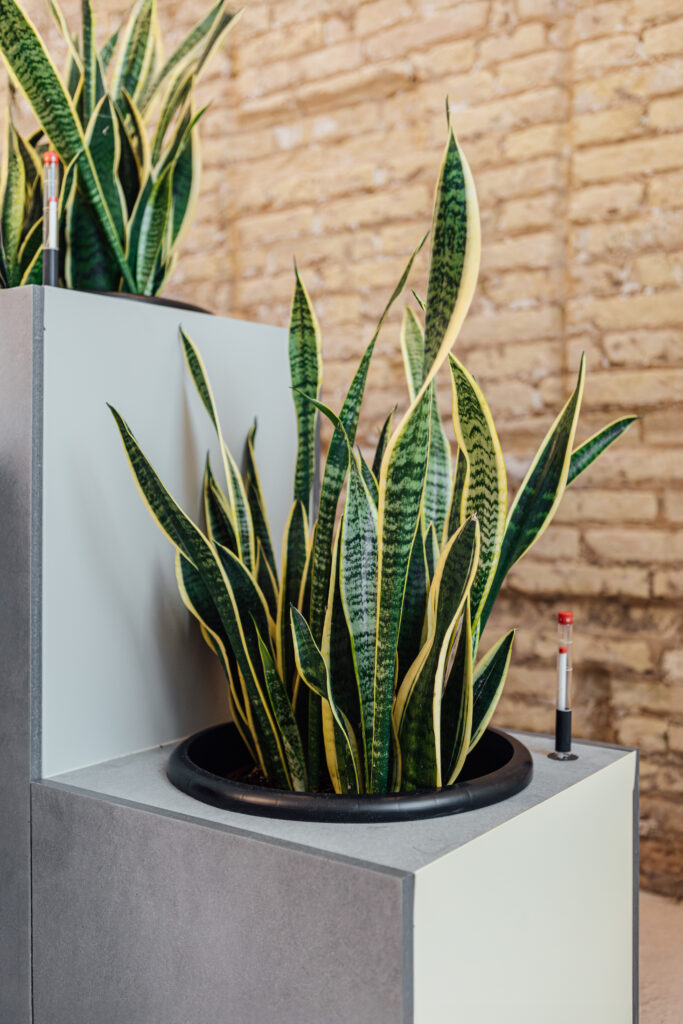
Both MOTUS and CHRYSALLIS combine different formats, dimensions, materials and finishes, adapting each composition to the space and the language of the project. The collections catalogue includes several sizes and a wide selection of recycled and lacquered materials.
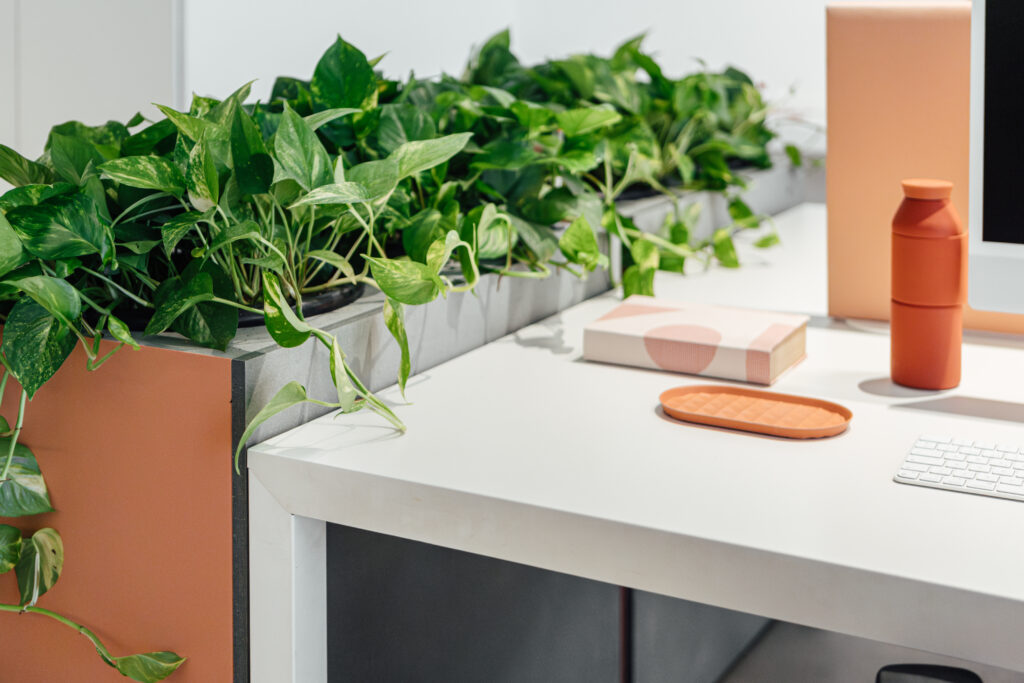
Modularity makes it possible to work from a single piece to larger compositions, fit the solution to the available length or combine several formats in one space.
It is not about adapting the project to the product, but configuring the product to serve the project.
Modularity also means using resources better
Designing this way has another consequence.
When a space changes, a conventional solution may no longer fit even though the product is still in good condition. The result can be replacing pieces that could still be used. Modularity offers another approach.
If we can add elements, change a composition or reuse existing modules in a new layout, we can extend the system’s life before it needs replacing.
That means using the materials we already have for longer and reducing the need to manufacture a new set every time the project changes.
This is one of the ideas linking modularity and the circular economy: before replacing, adapt; before manufacturing again, reuse what we have.
CitySens Lab’s circular design model treats modular design, use, reuse and finally recycling as parts of the same cycle.
Sustainability does not depend only on using a recycled material. It also depends on how long we can keep that material in use.
One system, different stages of the project
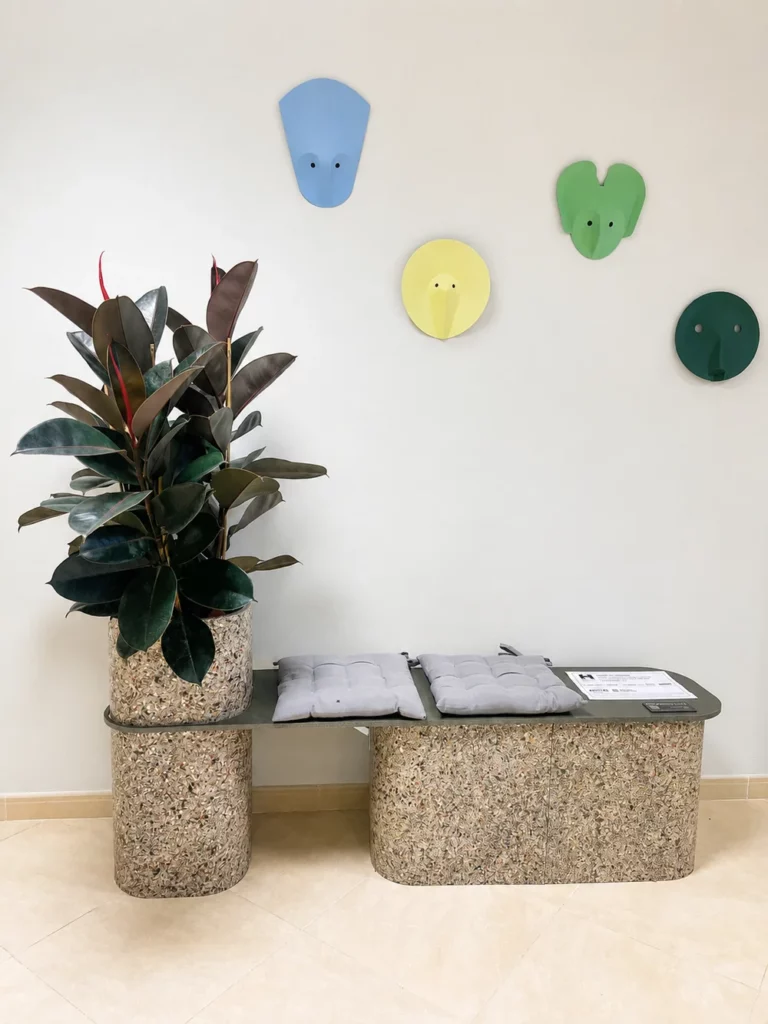
This also changes how we think about contract furniture. An installation does not have to be a final snapshot of the space. It can be a system that evolves.
Today: a composition adapted to the current layout.
Tomorrow: new pieces to extend a partition.
Later: a new configuration using the existing elements.
Needs change, but much of the system can stay.
For us, that is the true value of modularity: designing products that keep pace with the space instead of becoming obsolete when it changes.
Designing to adapt
At CitySens Lab, modularity is not simply about offering different sizes.
It means creating systems that can adapt, combine, extend and reconfigure.
To respond better to the project’s dimensions.
To give architects and interior designers more freedom.
To let plants play an active role in the layout, as we explain in biophilic architecture in collaborative workspaces.
And to keep products and their materials useful for longer.
Because if spaces change, design should be able to change too.