Self-watering systems for planters in offices, hotels and care homes
Bringing in plants without complicating maintenance: how our self-watering system works
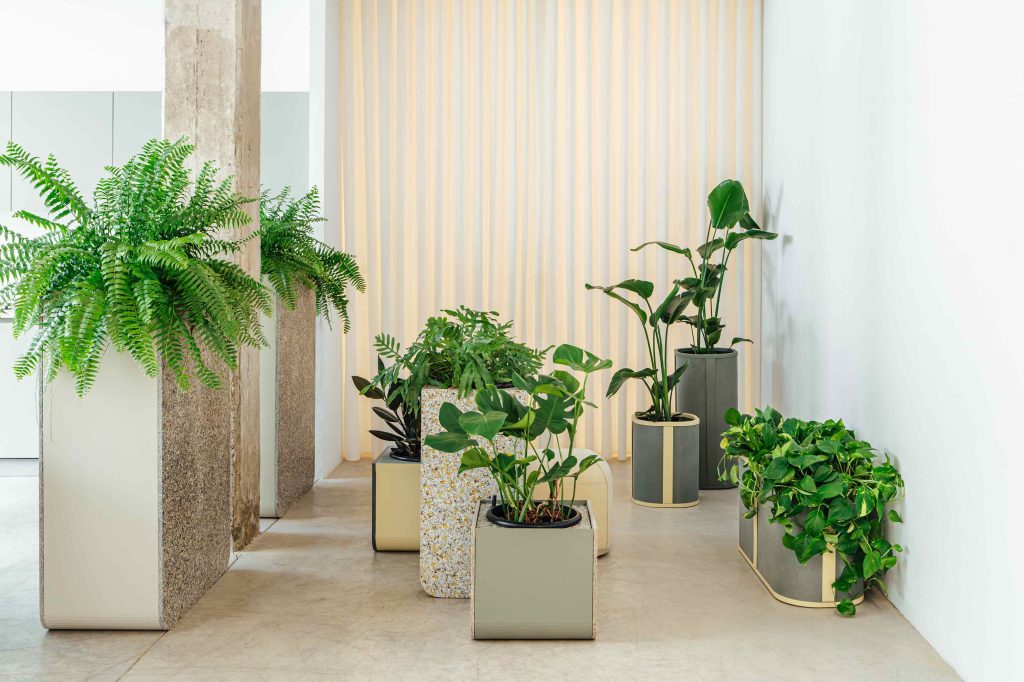
Plants can transform an office, a hotel, a care home or any shared space. But for it to really work, one question must be solved from the start: maintenance.
When a project includes many plants or planters spread across different areas, watering each one by hand can become hard to manage.
That is why CitySens Lab builds self-watering technology into our biophilic systems: a solution designed to optimise water use, reduce watering frequency and make long-term plant care easier.
It is not just about bringing in nature. It is about creating the conditions for it to stay.
A system inspired by the natural water cycle
Our self-watering system works on a biomimetic principle inspired by the natural rain cycle. When the plant is watered, the soil absorbs what it needs and the excess is stored in a sealed reservoir inside the planter.
That water is not lost. Capillary wicks gradually return it to the soil from below, so the plant absorbs moisture as it needs it.
The logic is simple:
water → collect → store → reuse
Part of the surplus water stays available to the plant instead of being wasted.
Less frequent watering, simpler maintenance
One of the main benefits is reducing how often someone needs to intervene.
During the first three months, regular watering helps the roots develop. Once the plant has adapted, the capillary wicks draw on the reservoir and it only needs refilling when empty, roughly every 2–4 months.
This is especially useful in projects with many planters or plants spread across different zones.
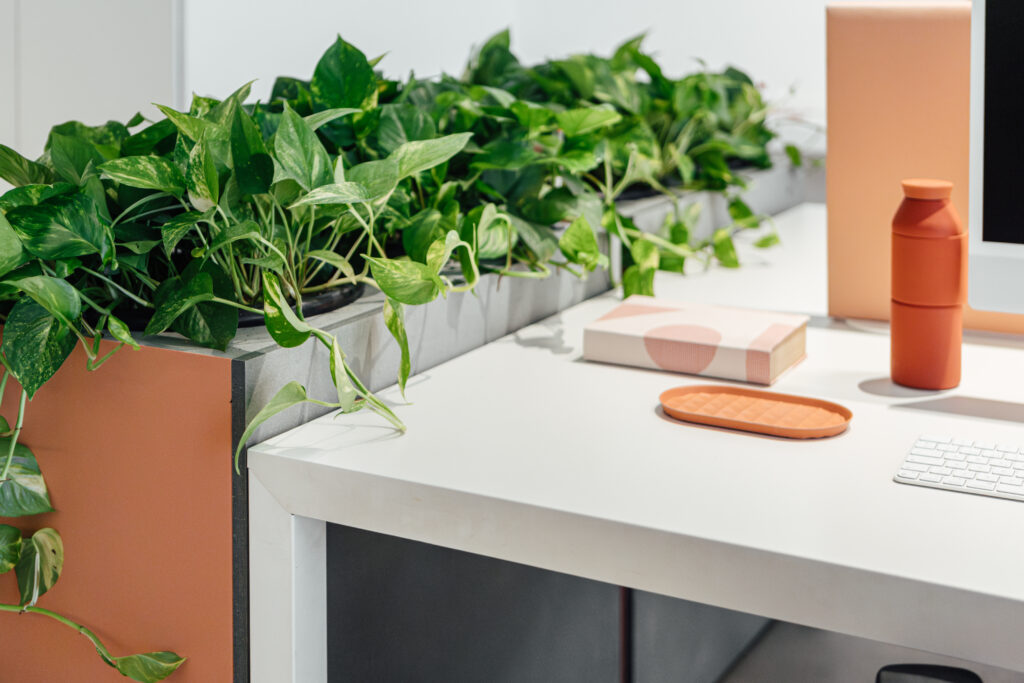
In an office or coworking space, it simplifies caring for plants across desks, meeting rooms and common areas.
In hotels and hospitality spaces, it makes it easier to maintain plants in receptions, restaurants and lounges.
And in care homes and senior living, it brings nature into shared areas while reducing the need for intervention.
Making the most of every watering
The system does not just space out maintenance. It also makes better use of the water.
When watering, the excess that passes through the soil is collected in the reservoir. The wicks then return it to the roots, watering the plant from below, so water stays available for longer within the system.
For us, this is an important part of design: integrating plants not only aesthetically, but also thinking about how they will be cared for and what resources they will need after installation.
Technology built into the planter
The system has three main components:
- A sealed water reservoir built into the planter;
- Capillary watering wicks connecting the reservoir to the soil;
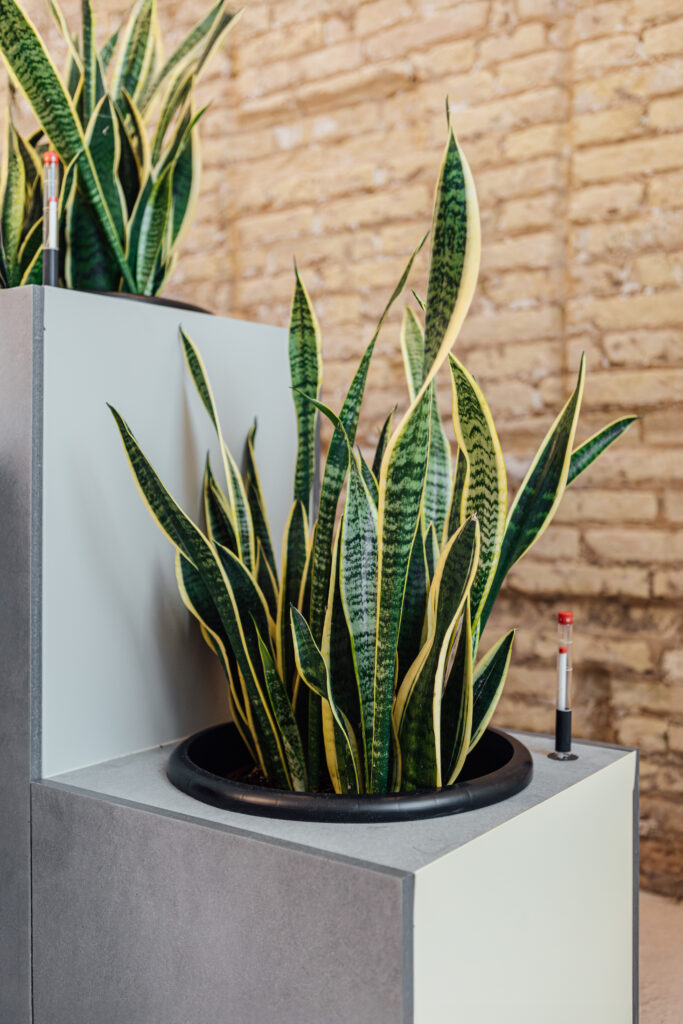
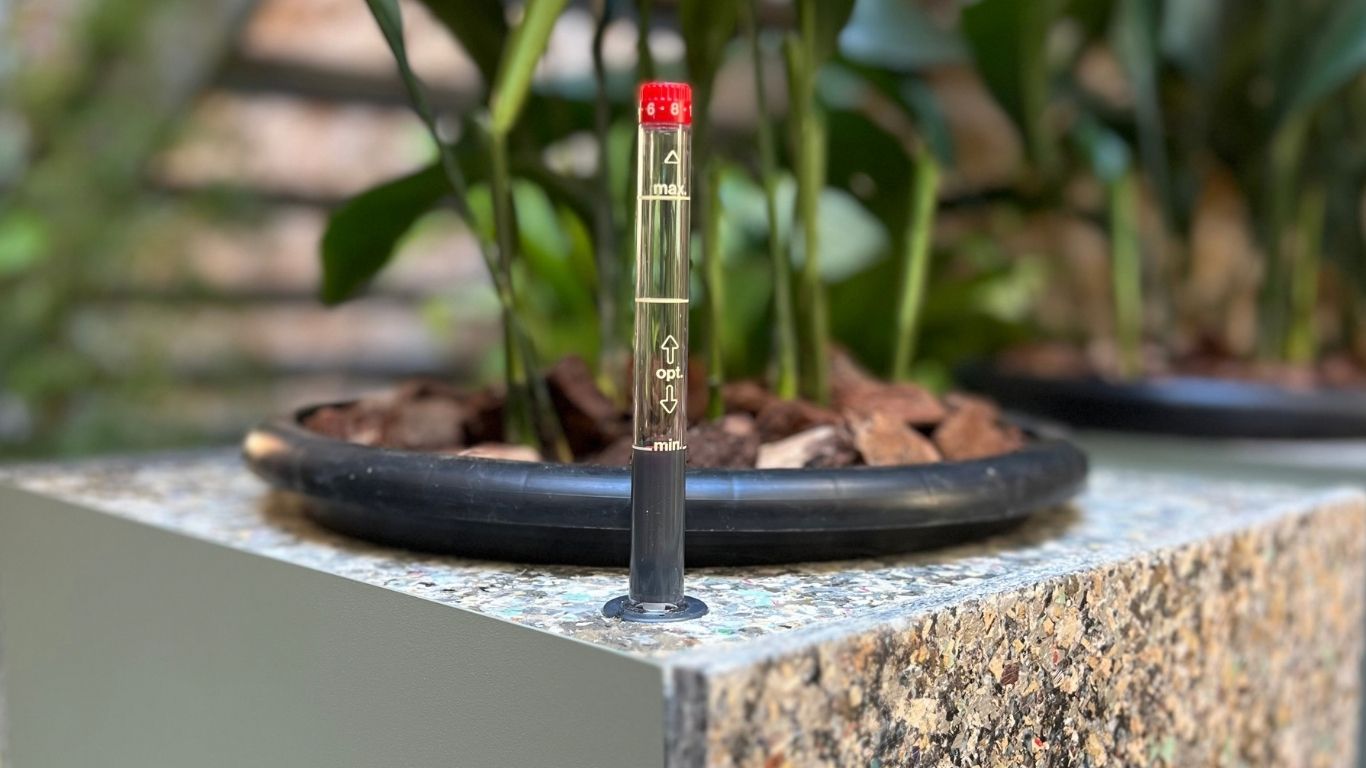
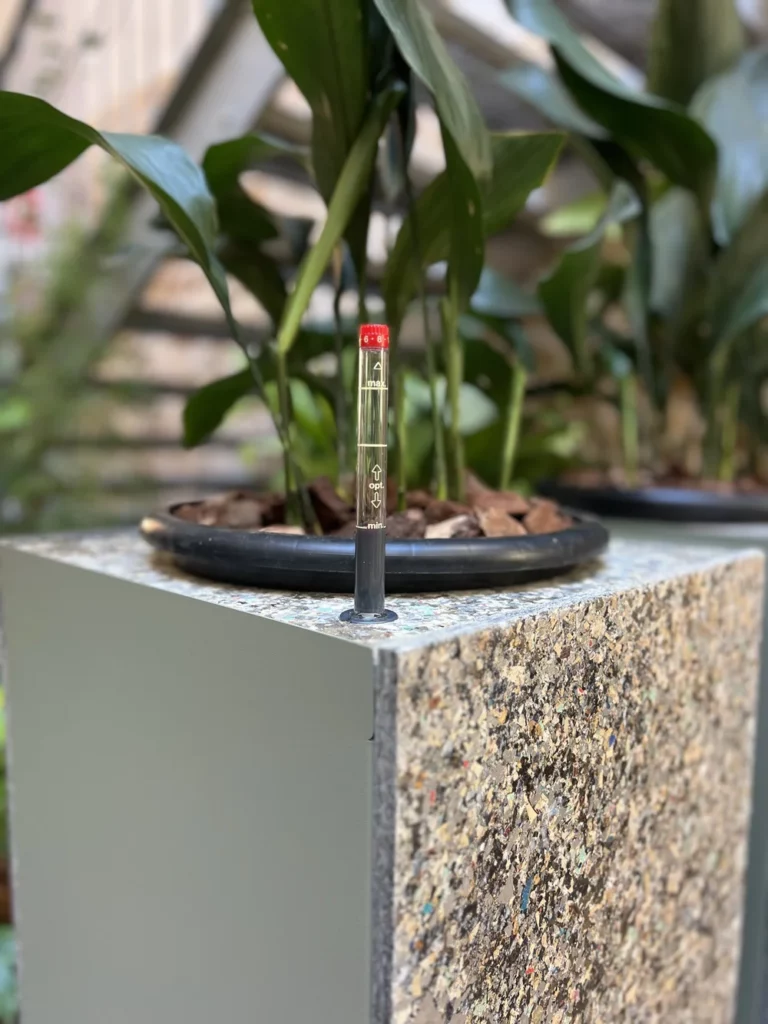
- A water level indicator showing how much water is left.
The indicator shows when to add water and helps avoid both running dry and exceeding the recommended maximum level.
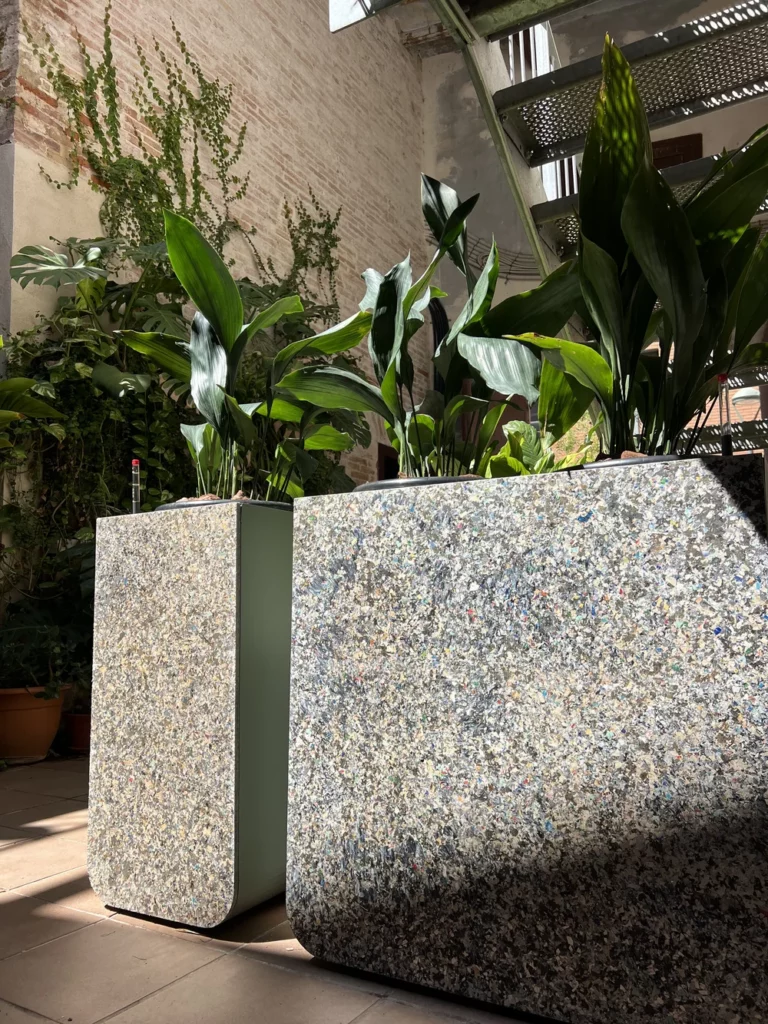
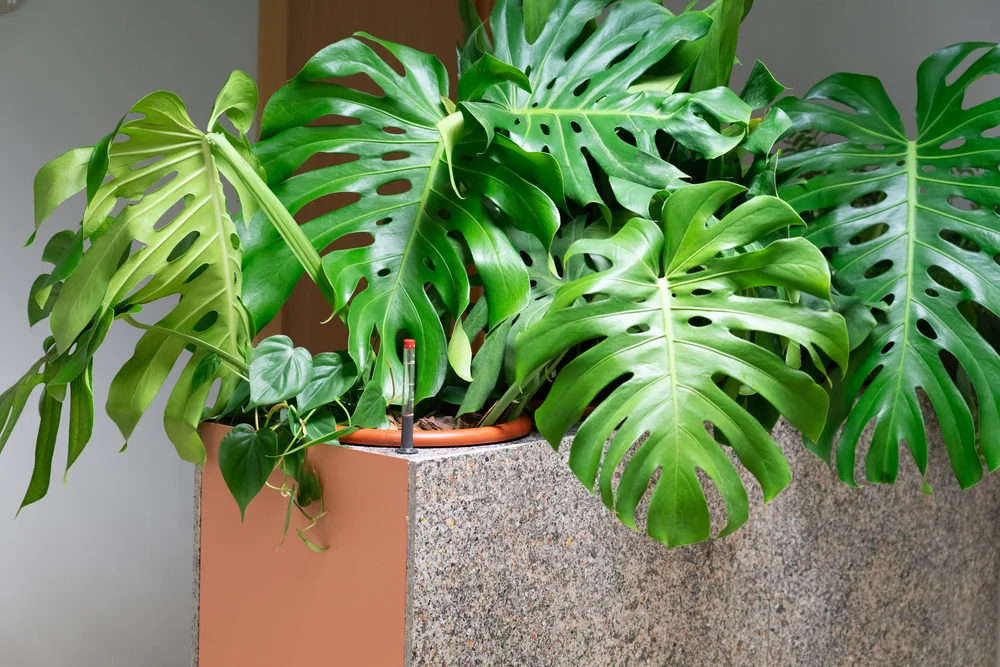
The technology is integrated into the furniture itself, without affecting the project’s aesthetics.
Thinking about plants beyond installation
Designing a biophilic space should not end once the plants are in place. You also need to think about what happens next:
Who will water them?
How often?
How will we know when they need water?
How can we make their care simpler?
Self-watering answers exactly these questions. Because bringing plants into offices, hotels, care homes and other professional spaces only makes sense if they can be maintained simply and sustainably over time.
Looking for resilient species to pair with self-watering? Read our guide to office plants for low light or discover the Motus and Chrysallis planters.