Sustainable biophilic furniture: recycled materials and circular economy
From waste to resource: designing to last, transform and reuse
Designing sustainably is not just about choosing a material that can be recycled at the end of its life.
For us, it starts much earlier.
It starts by asking where our resources come from, which waste we can recover, how we can reduce the use of new raw materials and how a product can stay useful when the space changes.
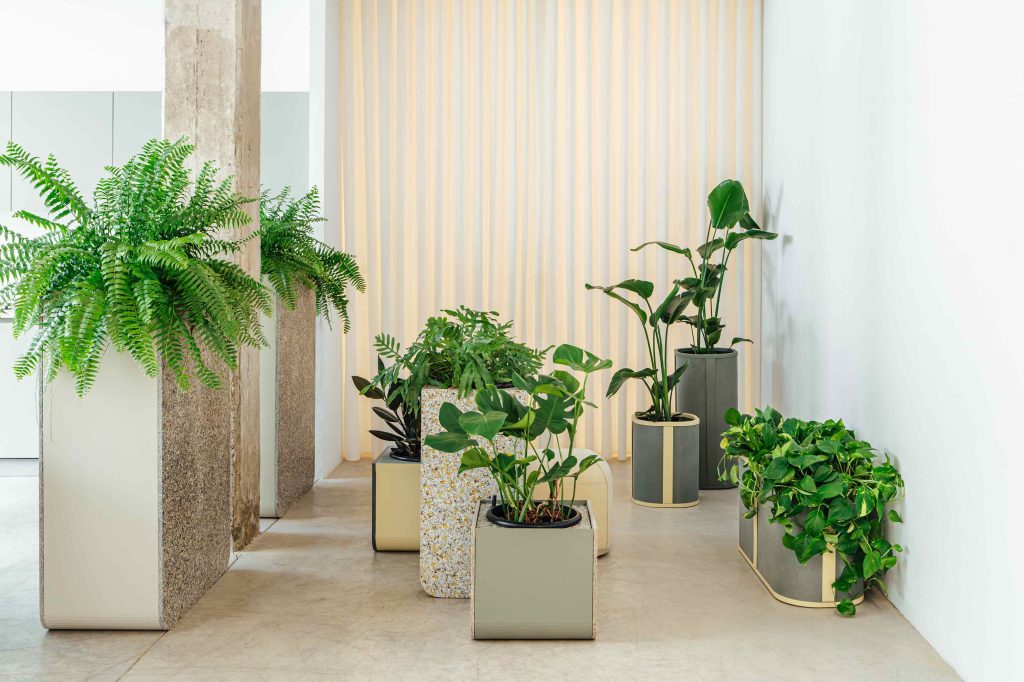
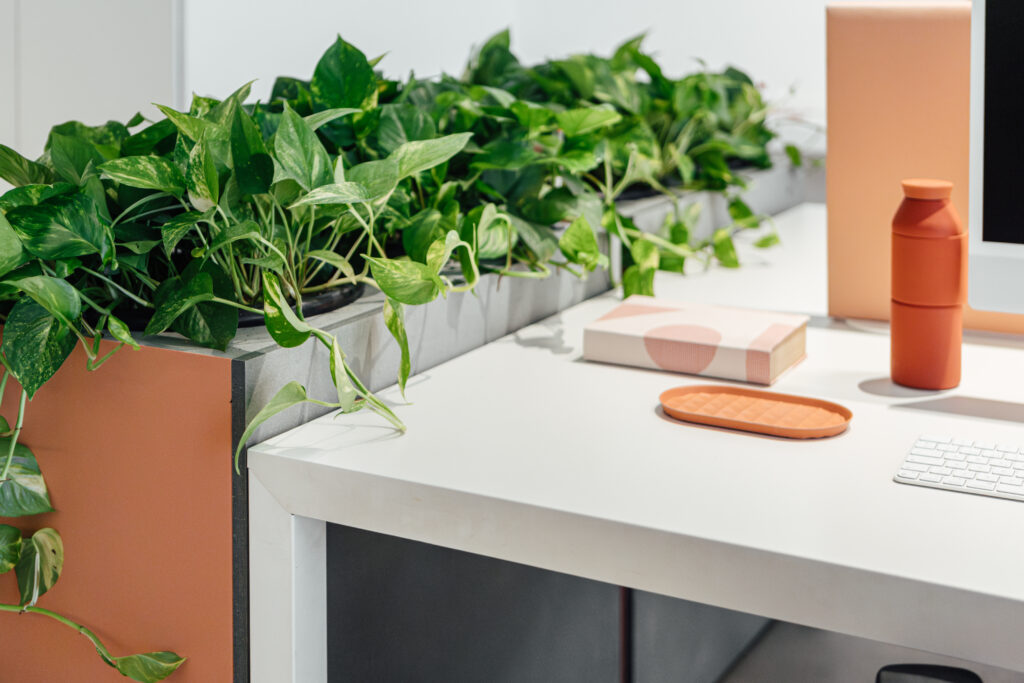
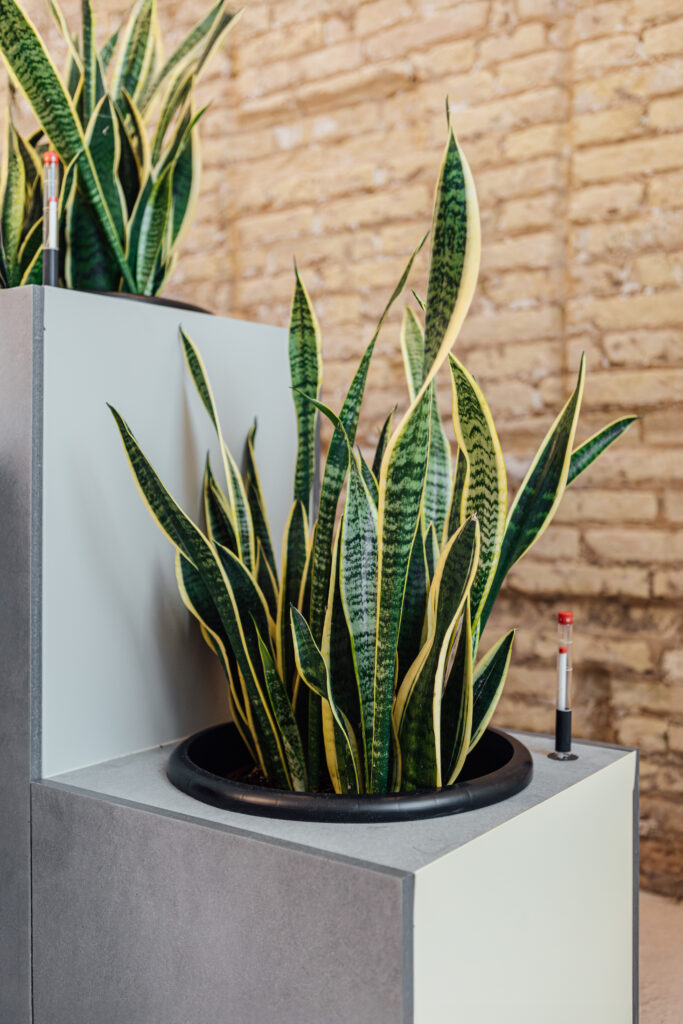
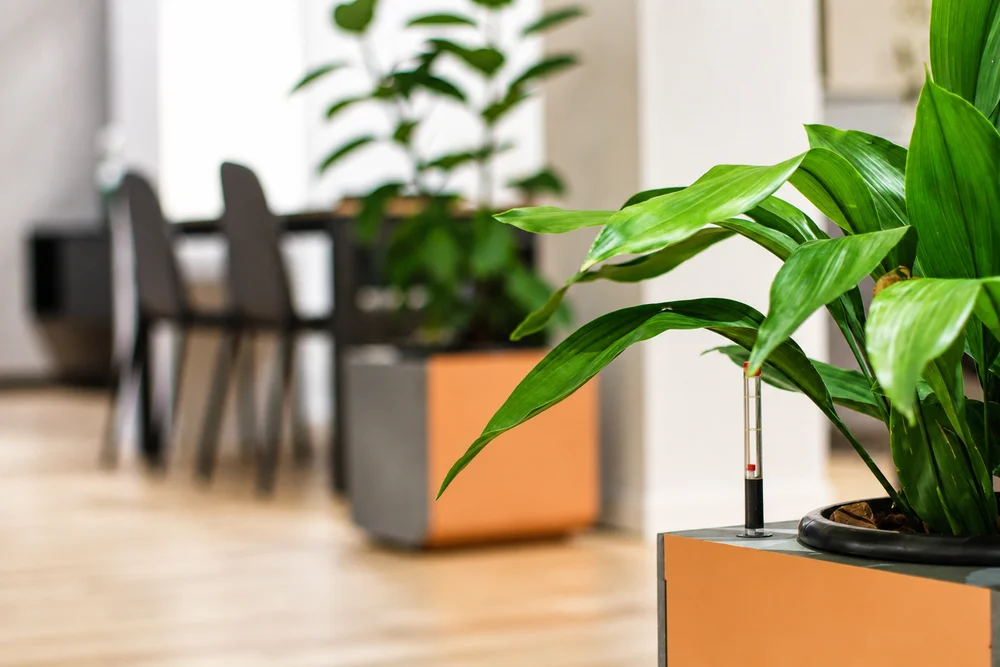
At CitySens Lab we design biophilic furniture systems following this logic. We work with recycled materials, modular structures and systems that can be transformed, reused and adapted to new uses.
Because we see the circular economy not as the end of the process, but as a different way to start designing.
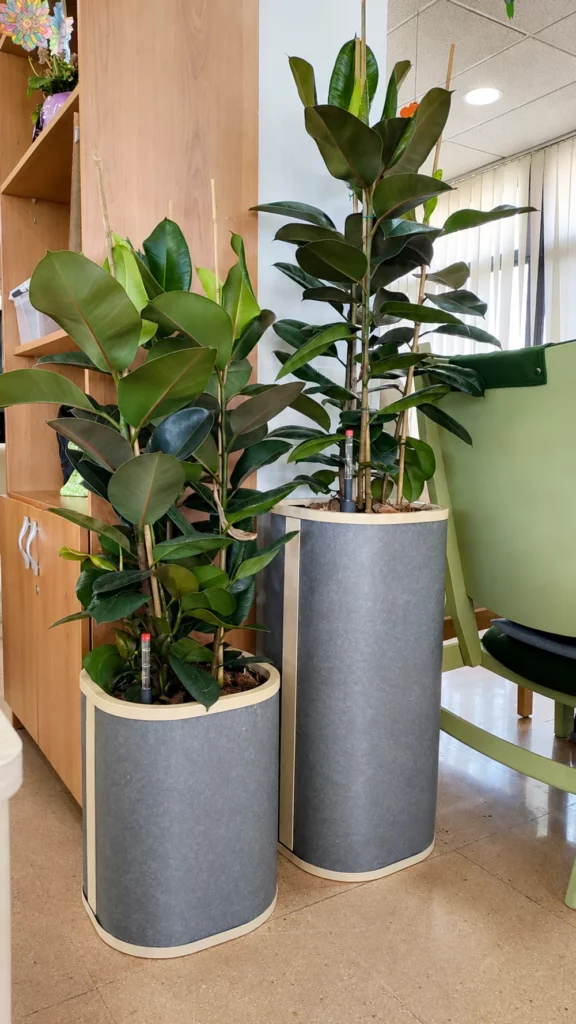
Fewer new resources, more recovered resources
We live on a planet with finite resources. That is why one of our first design decisions is choosing where the raw material comes from.
Instead of relying only on new resources, we work with materials developed from waste that already exists.
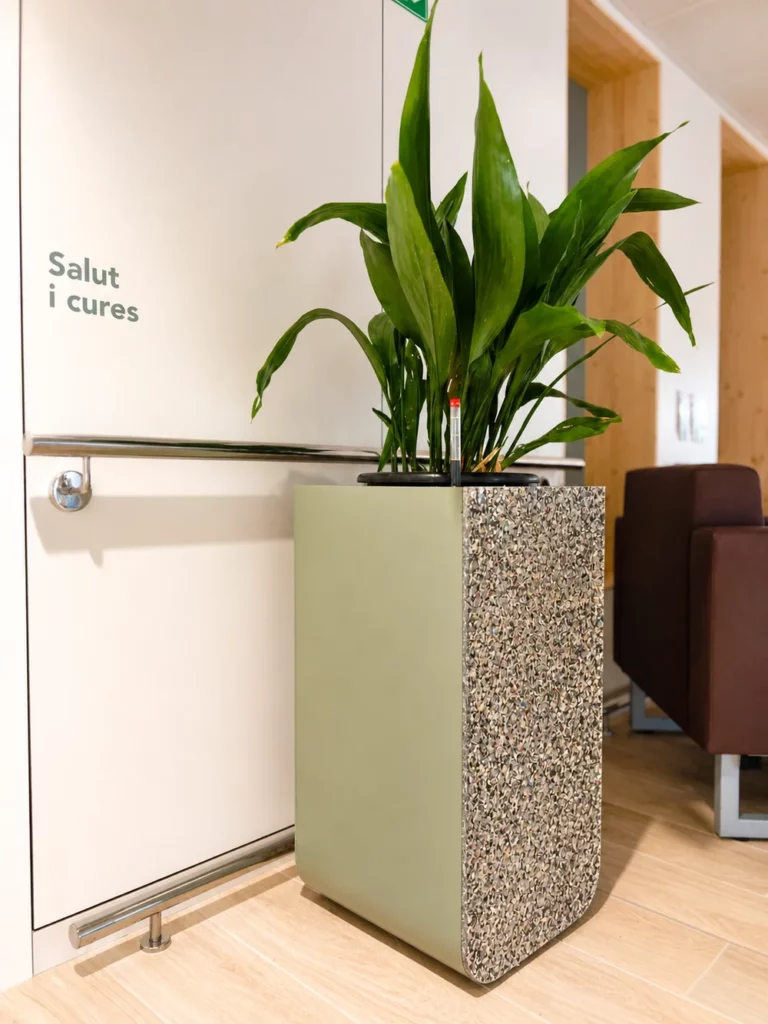
Food packaging, lids, multilayer labels, Tetra Pak cartons or waste from industry and construction can stop being rubbish and become durable surfaces for new interior design projects.
This tackles two impacts at once: recovering existing waste and reducing the need for virgin raw materials.
Post-consumer and post-industrial waste becomes first-class raw material. This principle is part of the circular economy model behind our biophilic systems.
When impact can be measured
Talking about tonnes of waste, circular economy or recycled materials can feel abstract. That is why we like to translate the impact of our materials into easy-to-picture figures.
Depending on the material, each square metre of panel recovers amounts such as:
- More than 15,000 yoghurt lids, from food and multilayer waste;
- More than 4,000 milk cartons, recovering post-consumer Tetra Pak waste;
- More than 23 kg of industrial and construction waste.
This waste re-enters the production cycle as new materials.
And that is one of the keys to the circular economy: no longer seeing waste as the end of a chain, but as a resource for the next one.
Less waste sent to landfill or incineration
Recovering materials does more than generate new raw materials.
It also prevents part of that waste from ending up in landfill or being incinerated.
In the materials we use, waste recovery helps reduce both disposal routes and the consumption of virgin materials.
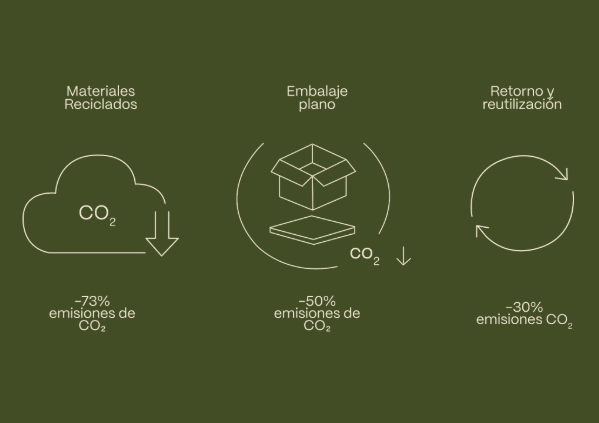
Our materials guide also reports, according to the calculation used for these recycled materials, a 61% reduction in CO₂ emissions.
Choosing the material lets us act on several impacts at once: recovering waste, avoiding its disposal, cutting emissions and keeping existing resources in the production cycle.
Recycling is the beginning, not the end
But for us, using recycled materials is not enough.
A product can be made from recovered waste and still have a short life if it has to be replaced every time the space changes.
And contract spaces do change.
An office can reorganise its teams. A hotel can transform a common area. A collaborative space may need new meeting, rest or focus zones.
That is why we design systems that are modular, configurable and able to evolve with each project.
In MOTUS, for example, recycled panels are combined with interchangeable metal structures that adapt to each interior design project.
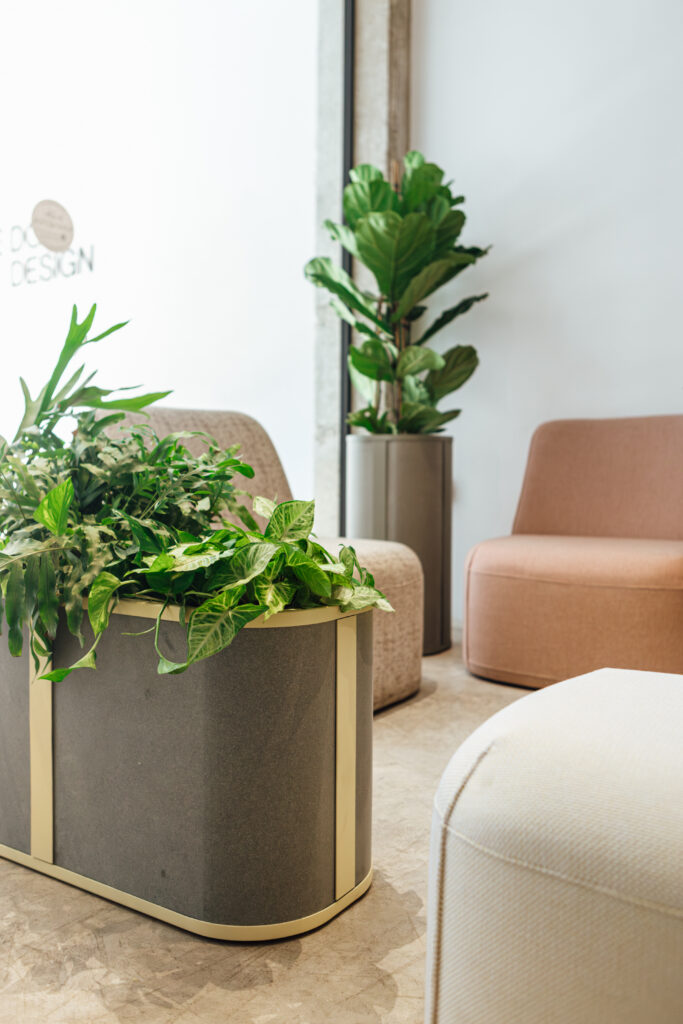
In CHRYSALLIS, the same structure can evolve from planter to seat, bench, table or meeting point depending on what the space needs.
The idea is simple:
before replacing, adapt.
Before discarding, reuse.
This moves us from a linear logic:
make → use → discard
to a circular one:
recover → design → use → transform → reuse → recycle
Because a product’s sustainability depends not only on what it is made of, but also on how long it stays useful and how many times we can give it a new life. Read more in modular furniture: flexible spaces that evolve.
Designing today with tomorrow in mind
At CitySens Lab we believe that bringing more nature into our spaces and designing responsibly belong to the same conversation.
That is why our biophilic systems do not just add plants.
They do it with recycled, durable materials and solutions that can adapt, transform and evolve with each project.
From waste to resource.
From using to transforming.
From replacing to reusing.
Because circular design is not only about what happens to a product at the end of its life.
It is about designing it so that moment comes much later.
Want to specify sustainable furniture in your next project? Download the technical files in professionals or explore our collections.